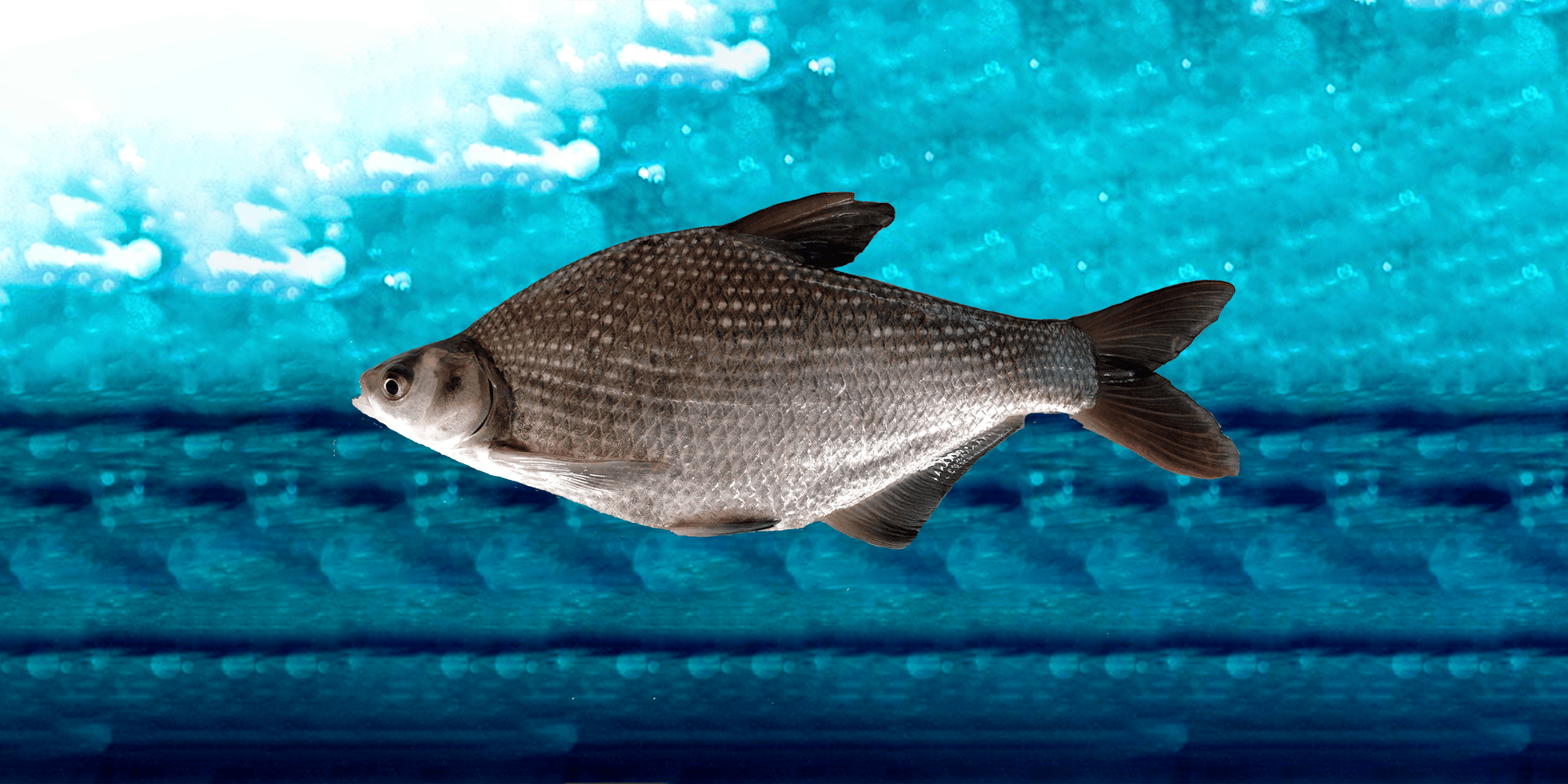
Our laboratory primarily focuses on genetic breeding of fish, with the main research subjects being Wuchang bream (Megalobrama amblycephala) and grass carp. We are dedicated to making it easier and safer for everyone to consume fish.

Our Chief Scientist
Selected for the Hubei Provincial Outstanding Youth Fund and the Wuhan Morning Light Program, currently Deputy Dean, Professor, and Ph.D. supervisor at the College of Fisheries, Huazhong Agricultural University. Research areas include assessment of aquatic germplasm resources, genomics and breeding, and gene editing.
Our Goals
Aquaculture is becoming one of the main sources to meet the growing demand for aquatic products, and the high genetic gains and immense potential of genetic improvement will continue to significantly advance the development of the aquaculture industry. We are committed to improving the growth performance of farmed fish through genetic improvement, enhancing desirable traits, and contributing to the development of the aquaculture industry and the resolution of food issues both nationally and globally.

HZAU
We are a research team from Huazhong Agricultural University (HZAU).
TOMORROW’S CATCH
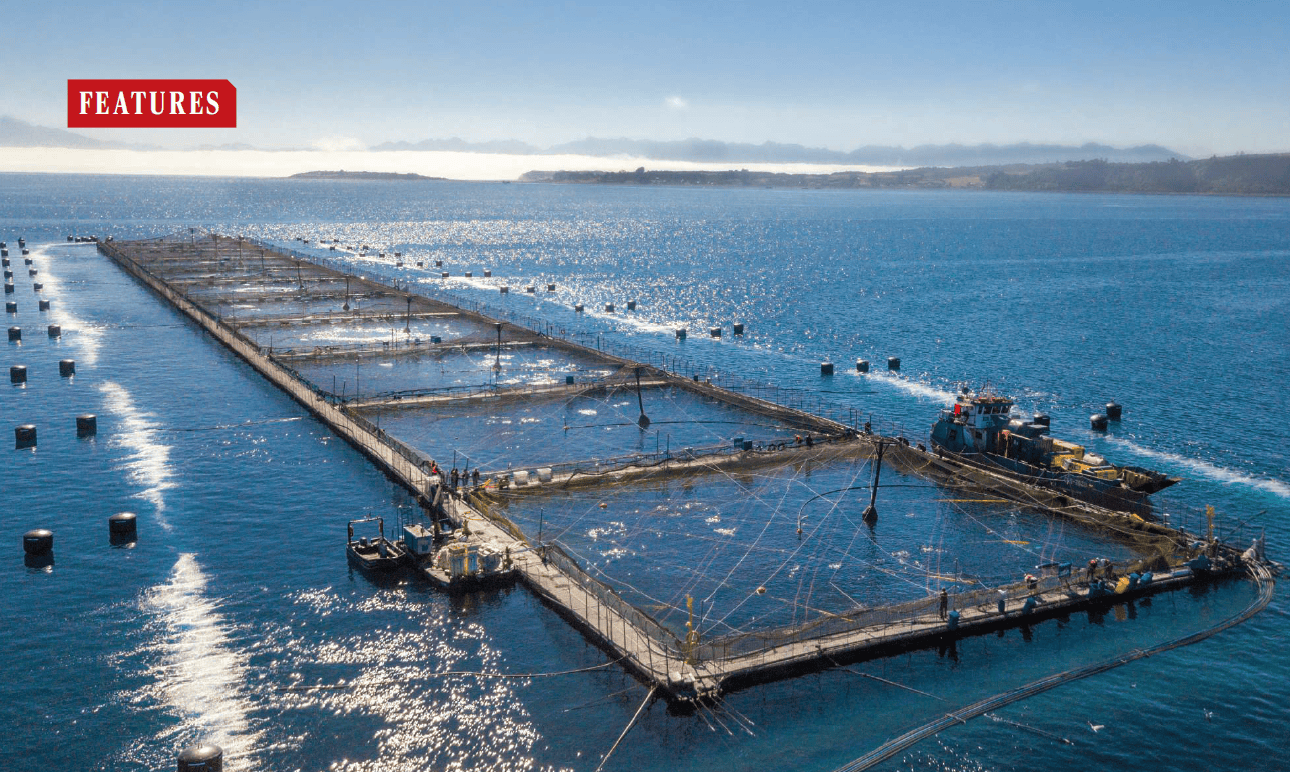
According to “Tomorrow’s Catch” by Erik Stokstad, advancements in aquaculture are being significantly driven by genomic technologies. The article discusses the implementation of large offshore fish pens, such as SalMar’s Ocean Farm 1, which enhance salmon growth through stable temperatures and strong currents. Genetic advancements have markedly improved growth rates and disease resistance in farmed species like salmon and tilapia. Genomic selection, which uses DNA markers, increases breeding accuracy and reduces inbreeding, offering considerable benefits to aquaculture. Despite challenges such as consumer acceptance and funding disparities, these technologies are set to transform fish farming.
Our Research
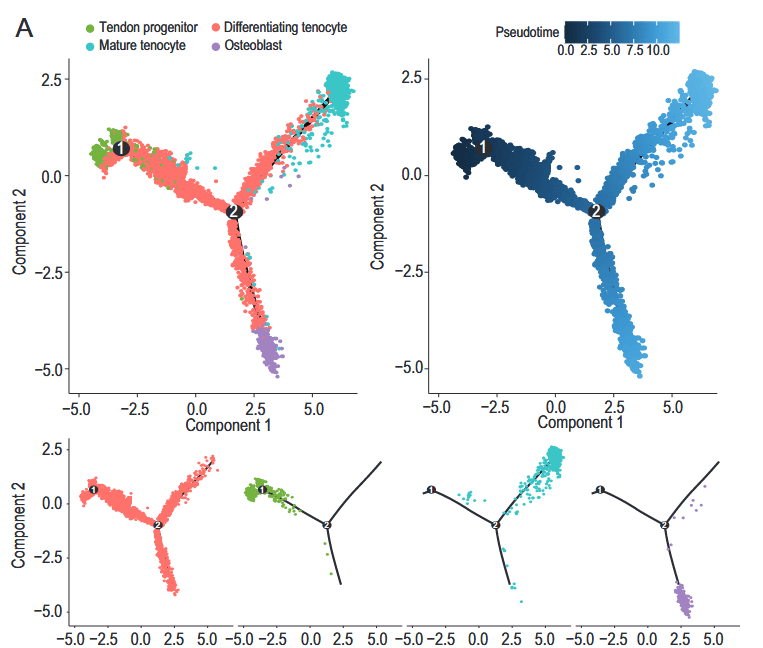
Our Study reveals the genetic mechanisms behind intermuscular bone (IB) formation in zebrafish. Using single-cell transcriptomics, they identified 18 cell types involved in IB development and demonstrated that IBs originate from tendons. The runx2b gene was found to be crucial for IB formation, as runx2b−/− mutants completely lacked IBs without affecting other bone structures, growth, or swimming performance. This discovery suggests that genetic breeding targeting runx2b could produce commercially viable fish species without IBs, enhancing safety and economic value.
Our Team
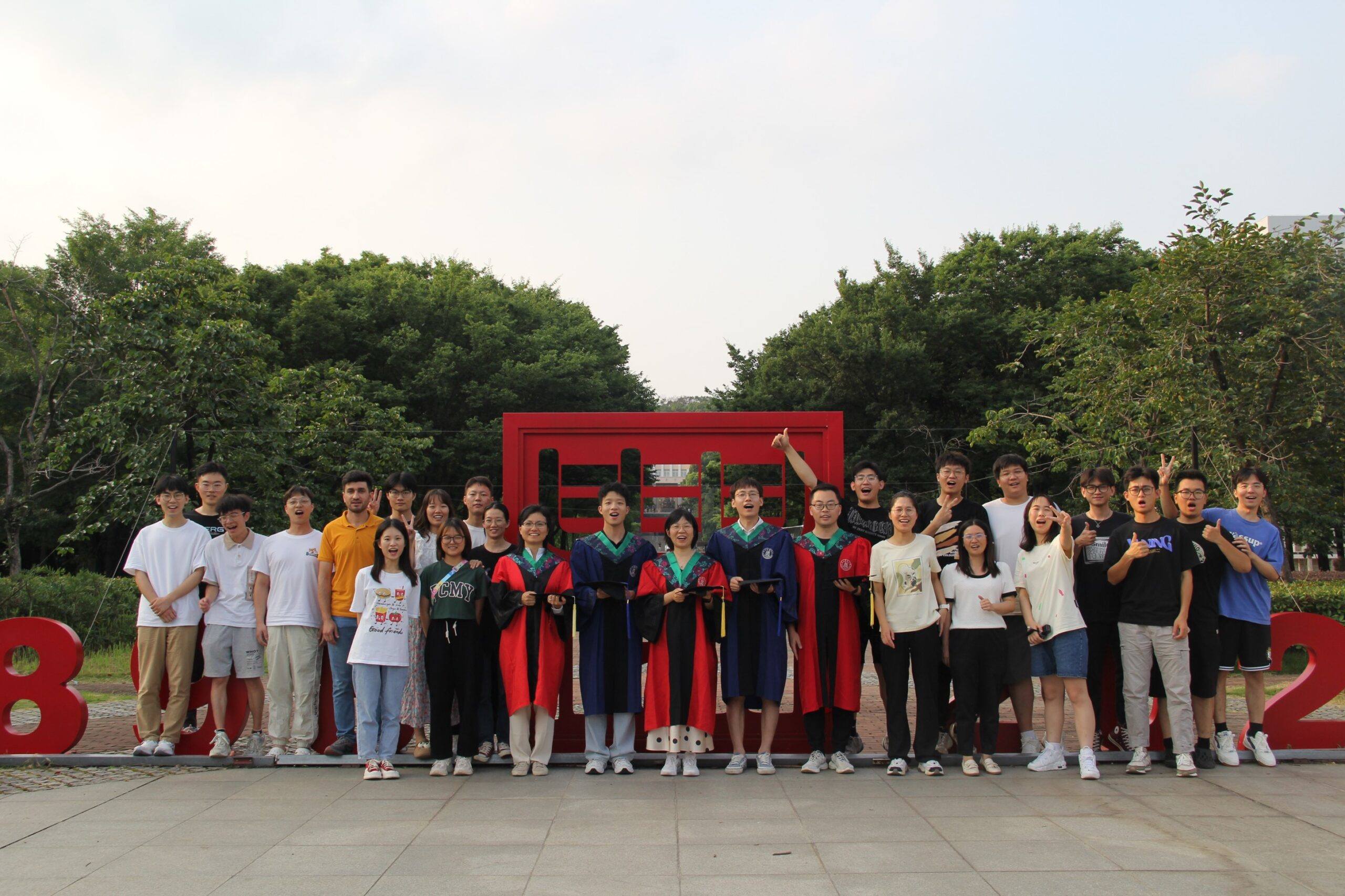
Our team is very young and dynamic, currently comprising over 40 members, including one chief scientist, three associate professors, two postdoctoral researchers, and several Ph.D. and master’s students.